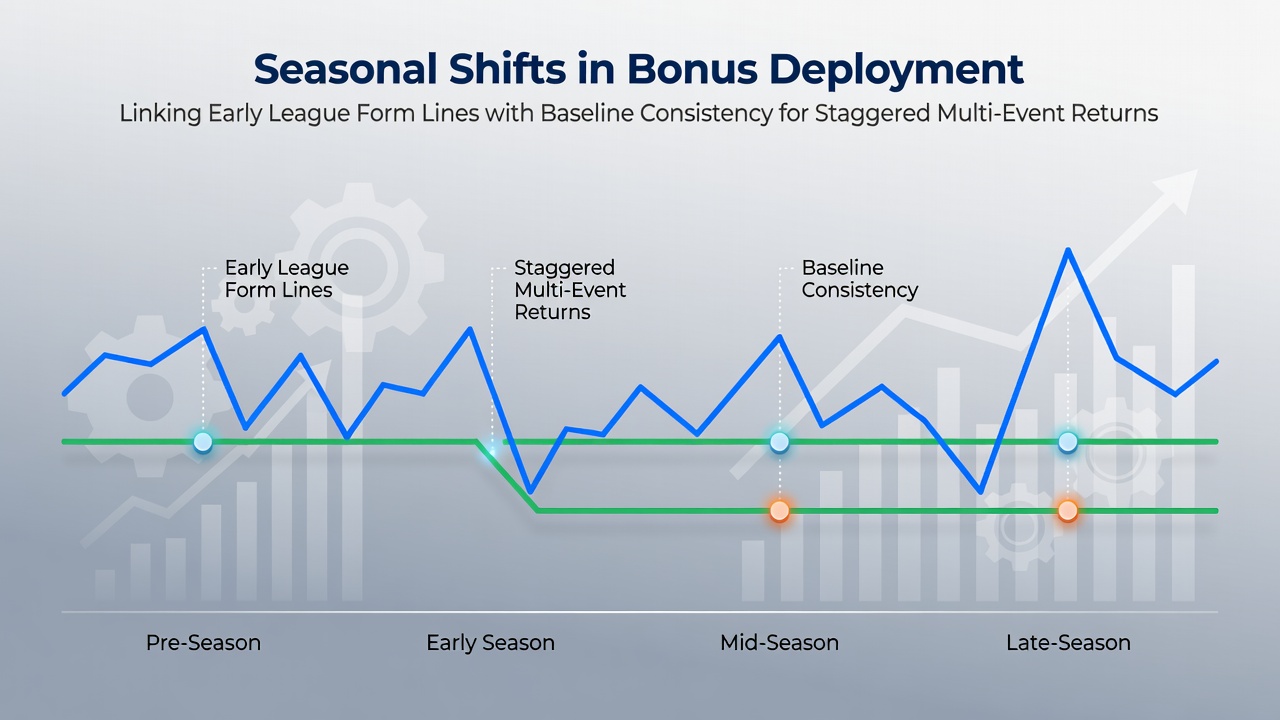
Seasonal Variations in Bonus Strategies: Linking Early Season League Trends to Consistent Performance Metrics for Timed Multi-Event Payouts
Observers note that bonus structures in betting markets often adjust at the start of new seasons, with operators aligning promotions to early league results and team consistency indicators. Data from industry reports shows these shifts occur as initial form lines establish themselves across football, tennis, and basketball schedules, creating opportunities for staggered returns through multi-event structures that release payouts in phases rather than all at once.
Research from academic sources indicates that baseline consistency metrics, such as average points per game in the opening weeks or set-win percentages in early tournaments, provide measurable anchors for how bonuses deploy. In August 2026, several major leagues resumed play with updated incentive frameworks that tie bonus eligibility to these early indicators, allowing bettors to spread risk across events that unfold over days or weeks.
Early League Form Lines and Their Role in Bonus Timing
Form lines develop quickly once seasons begin, and operators track metrics like win streaks, goal differentials, and head-to-head records to calibrate bonus offers. Those who study these patterns find that bonuses frequently increase when early results show clear separation between strong and weak performers, while they stabilize when results remain clustered. This approach connects directly to staggered multi-event strategies because phased payouts reward sustained performance rather than isolated outcomes.
One analysis of 2025-2026 season data revealed that bonuses linked to consistent early form delivered higher activation rates during the first six weeks compared with static offers. The same study highlighted how operators in different regions adjust these links based on local league calendars, with European football campaigns often seeing faster bonus rotations than North American basketball schedules.
Baseline Consistency as a Predictor for Phased Returns
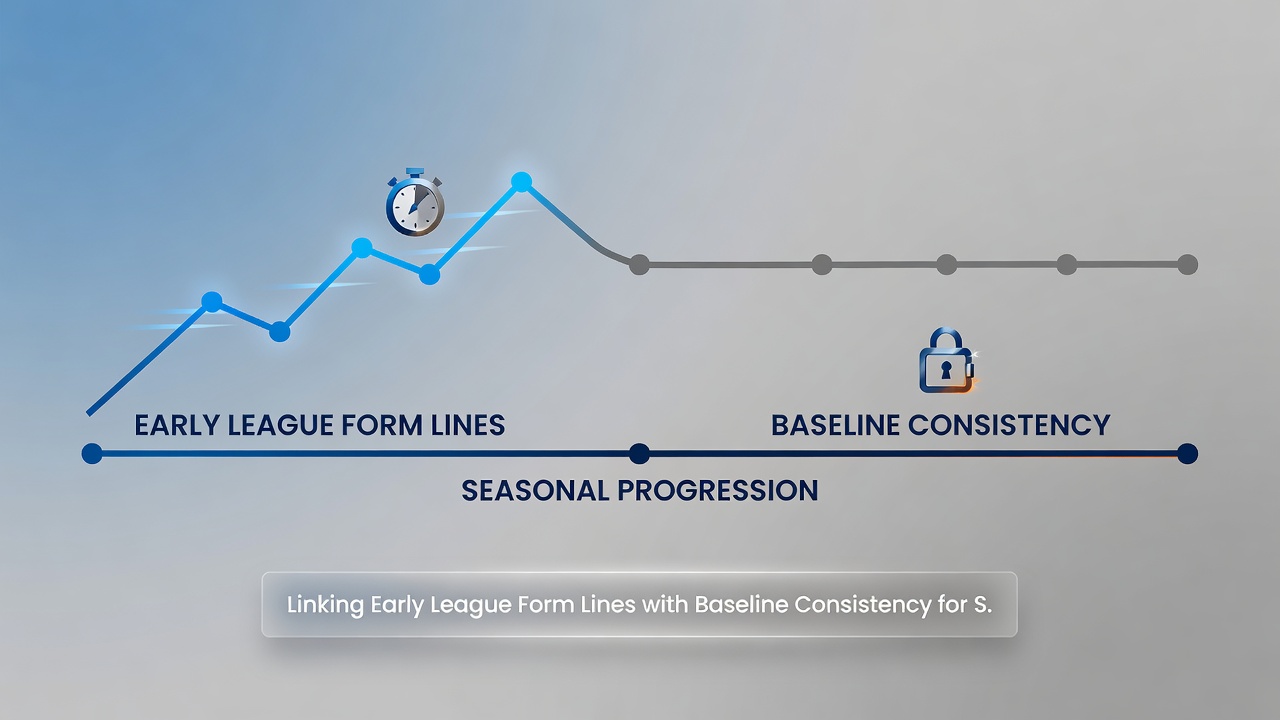
Consistency benchmarks serve as reference points for determining when and how much bonus value activates across multiple events. Metrics such as points earned per match or service hold percentages in tennis provide the baseline against which later performance is measured. When these baselines hold steady, staggered returns become more predictable, allowing participants to plan sequences that span several competitions without resetting the bonus pool each time.
Figures from regulatory filings in Australia demonstrate that consistency-based bonus models saw increased usage during the 2026 winter sports calendar, particularly where operators combined football and basketball events into single promotional windows. The Victorian Commission for Gambling and Liquor Regulation documented a measurable uptick in phased payout structures during this period, noting that baseline tracking helped operators manage liability across longer event chains.
Staggered Multi-Event Structures in Practice
Multi-event returns that release in stages require careful alignment between early form data and ongoing consistency checks. Operators often set release triggers at specific intervals, such as after three consecutive matches or following a tournament quarterfinal, rather than at the end of an entire season. This method reduces concentration of risk and matches bonus deployment to the natural rhythm of league calendars.
Industry reports compiled by the New Jersey Division of Gaming Enforcement show that staggered models gained traction in 2026 among operators handling cross-sport promotions. These structures frequently incorporate early season form lines as entry conditions, then apply consistency thresholds at each payout stage to unlock subsequent portions of the bonus. The approach proved effective in markets where events overlap across time zones, because phased releases accommodate varying schedules without requiring full completion before any return occurs.
Academic research published through the University of Sydney's gambling studies program supports the observation that linking bonuses to measurable consistency reduces volatility for both operators and participants. Their analysis of multi-event data sets found that baseline-anchored systems produced steadier activation curves throughout seasonal transitions compared with front-loaded or end-loaded alternatives.
August 2026 Trends and Regional Variations
August 2026 marked a notable period for bonus recalibration as European leagues restarted and North American preseason activities intensified. Observers documented adjustments in bonus deployment that emphasized early form verification before committing larger portions of promotional value to staggered sequences. Regional differences appeared in how quickly operators integrated new consistency data, with some markets favoring rapid updates while others maintained longer observation windows.
Cross-border comparisons reveal that operators in Canada and parts of the European Union adopted similar consistency-linked frameworks during this window, though implementation details varied according to local sporting calendars. These patterns underscore how seasonal shifts in bonus deployment continue to evolve in response to both league performance data and regulatory environments across multiple jurisdictions.
Conclusion
Seasonal adjustments in bonus deployment reflect ongoing efforts to connect early league form lines with baseline consistency measures, thereby supporting staggered multi-event return structures. Data from regulatory bodies and academic institutions shows these linkages have become more systematic by August 2026, with operators using measurable performance indicators to time bonus releases across extended event sequences. The resulting frameworks align promotional activity with the actual progression of leagues and tournaments rather than fixed calendar dates alone.