
Cross-Sport Analytics Integration: Equine Records, Court Sequences, and Set-Piece Patterns Powered by Registration Incentives
Operators have expanded welcome credit systems that allow users to test integrated prediction models across horse racing, tennis, and association football. These models combine equine performance metrics such as recent workout times, ground preferences, and jockey changes with tennis momentum indicators including service hold percentages and return point conversion rates, while also factoring in football set-piece conversion data from corner and free-kick situations. Registration incentives in August 2026 have facilitated wider access to these blended datasets for new account holders.
Data Sources and Model Construction
Equine form records typically include speed figures, sectional timings, and trainer strike rates compiled from official racing authorities. Tennis streak variables draw from match log databases that track consecutive service holds and break point opportunities, whereas football set-piece metrics rely on league reports detailing delivery accuracy and aerial duel success. Researchers at institutions such as the University of Sydney have published frameworks that align these three categories through standardized statistical weighting, allowing operators to present unified probability outputs to users.
Signup credits function as entry mechanisms that offset initial stake requirements when participants deploy the combined forecasts. Industry reports from the American Gaming Association note that such credits have supported increased testing of multi-leg selections during the northern hemisphere summer racing calendar and concurrent tennis tournaments.
Application Across Events in August 2026
During August 2026, several racing festivals coincided with hard-court tennis events and pre-season football fixtures, creating overlapping data windows. Analysts observed that equine form variables performed more reliably when filtered through recent court-surface adjustments derived from tennis statistics, while football set-piece percentages helped refine accumulator structures that included both racing and court outcomes. Platforms offering registration incentives recorded measurable uptake of these blended selections, particularly when users applied credits to opening positions.
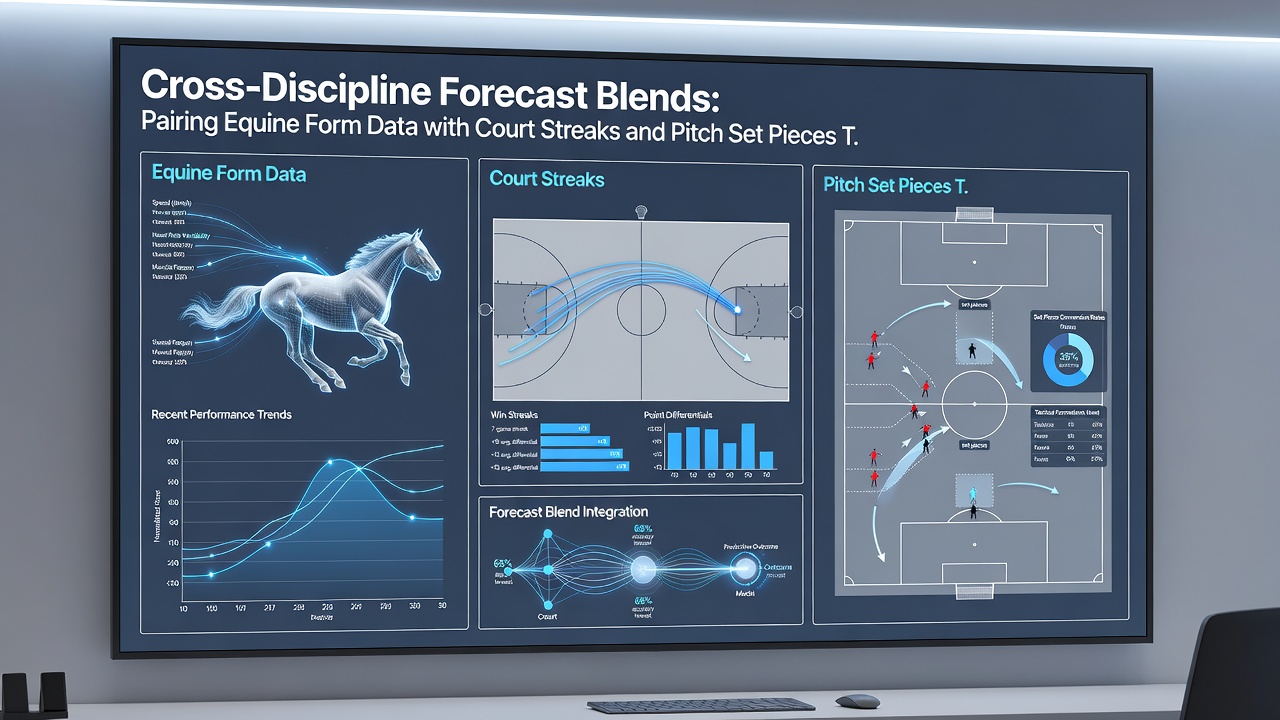
One documented workflow begins with equine speed ratings, applies a tennis-derived volatility adjustment based on recent match length averages, and then incorporates football delivery success rates to calibrate final odds. This sequence has appeared in operator dashboards that display real-time updates drawn from multiple governing bodies, including the Australian Racing Board and the International Tennis Federation.
Regulatory Context and Platform Practices
European regulatory bodies such as the Malta Gaming Authority have required transparent disclosure of how welcome credits interact with multi-sport forecasting tools. Platforms must separate bonus funds from standard balances while logging how users allocate credits across equine, court, and pitch selections. Data compiled by the Canadian Gaming Association indicates that clear labeling of these allocation rules correlates with sustained user engagement in cross-discipline products.
Academic examinations of accumulator structures, including work published through the University of Nevada, Las Vegas International Gaming Institute, have examined the mathematical properties of combining independent sporting datasets. These studies emphasize the importance of covariance adjustments when equine, tennis, and football variables enter the same betting slip.
Operational Considerations for Users
Participants receive signup credits that must be deployed within defined timeframes, often aligned with major racing cards or tennis tournaments. The credits enable exposure to forecast blends without immediate cash outlay, yet operators enforce separate terms for each sport component. Tracking tools within the platforms log individual leg performance so users can review equine form accuracy against court streak reliability and set-piece outcomes.
Industry associations continue to monitor how these blended offerings affect responsible gambling metrics, with particular attention to session lengths when credits are active across multiple disciplines. Figures released by the New Zealand Department of Internal Affairs show steady adoption rates for registration-based incentives during periods of overlapping sports calendars.
Conclusion
Cross-discipline forecast systems that link equine records, tennis sequences, and football set-piece data through registration credits have become a documented feature of operator platforms. The integration relies on standardized statistical inputs from recognized sporting authorities and academic modeling approaches. Ongoing regulatory oversight from multiple jurisdictions ensures that credit deployment remains transparent while users explore combined selections across horse racing, court events, and pitch fixtures.